Authenticity Guide
How to Spot Fake Cuban Cigars
Fake Cuban cigars are common; the warranty seal, box code, Habanos label, construction, price and where you buy are the main ways to tell them apart.
Updated · Cigarillos Cuban Editorial Team
Check the U.S. Rules →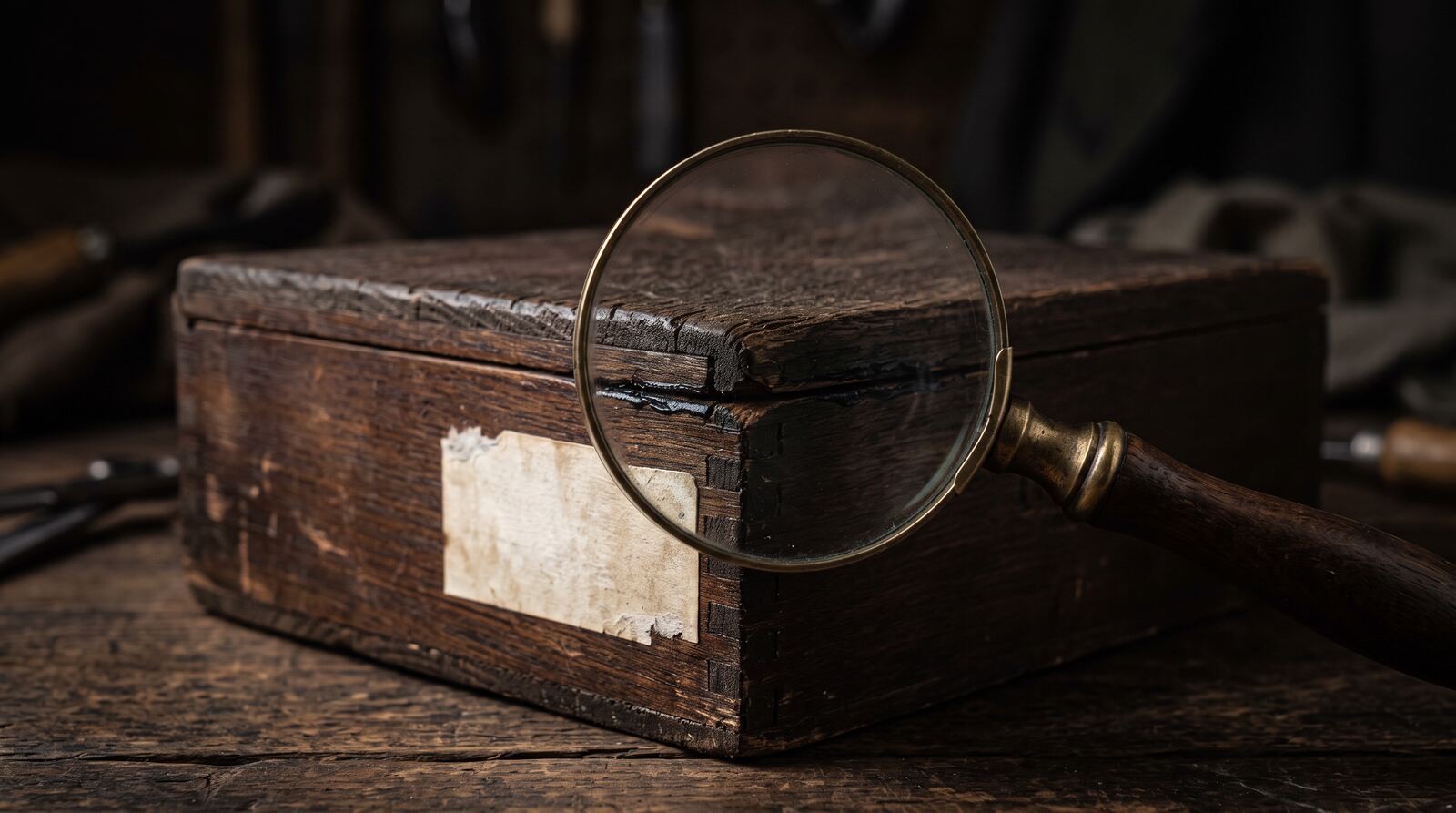
Counterfeit Habanos are a long-standing problem, from Havana street corners to online marketplaces. No single detail guarantees a cigar is real — skilled counterfeiters copy labels and seals — but a combination of checks catches most fakes. Here is how to spot fake Cuban cigars.
10 Checks for Fake Cuban Cigars
- The warranty seal. Genuine boxes carry the Cuban government warranty seal across the left side of the box, with security features including a hologram and an identifying code.
- The Habanos label. A Habanos S.A. label appears on the box, typically at the top right corner of the front.
- Box stamps. The underside carries stamps including "Hecho en Cuba" and, for handmade cigars, "Totalmente a mano," plus a factory and date code.
- Authentication code. Habanos provides an online authenticity check where the seal's code can be verified.
- Construction. Straight-sided handmade Cubans usually have a neatly applied cap. Sloppy heads, uneven sizes or very different wrapper colors in one box are warning signs.
- Bands. Compare bands with official images: color, embossing, typeface and positioning. Loose or poorly printed bands are suspect.
- Packaging style. Boxes with glass or clear plastic lids are not used for Cuban cigars.
- Box count and editions. Each Cuban cigar comes in specific box counts, and limited editions are documented. A wrong count or an edition that never existed means a fake.
- Price. Prices far below normal — especially for Cohiba — are the most common sign of counterfeits.
- The seller. Street vendors, "factory worker" stories, beach sellers and private sales are high-risk. Authorized retailers are the safest source.
Quick answer: Check for the Cuban warranty seal and its code, the Habanos label, "Hecho en Cuba" and "Totalmente a mano" stamps, consistent construction and bands, a realistic price and an authorized seller. Fakes usually fail several of these checks.
The Most Counterfeited Cigars
Cohiba is by far the most counterfeited Cuban brand, followed by other famous names such as Montecristo. Prestige lines and limited editions are frequent targets because they command high prices.
Where to Buy Safely
| Source | Risk |
|---|---|
| Authorized Habanos retailers (e.g., La Casa del Habano) | Low |
| Established tobacconists in countries where Cubans are legal | Low to moderate |
| Hotel shops and airports in Cuba | Generally lower than street sales |
| Online sellers shipping to the U.S. | High — and importing is illegal for U.S. residents |
| Street vendors and private sales | Very high |
A Note for U.S. Buyers
Websites offering to ship "Cuban" cigars into the United States are a major source of counterfeits — and importing Cuban tobacco is prohibited for U.S. persons regardless of authenticity. See are Cuban cigars legal in the U.S.? For a legal, authentic alternative, consider premium cigars from the Dominican Republic, Nicaragua or Honduras.
After You Buy
Keep the box, seal and receipt together; they are part of the cigar's provenance. Store cigars in a humidor at about 65–70% humidity. Our sister site explains how to season a humidor.
Want to know what the genuine marques should look like? Start with our guide to Cuban cigar brands.
Frequently Asked Questions
How can you tell if a Cuban cigar is fake?
Check for the Cuban warranty seal and its code, the Habanos label, Hecho en Cuba and Totalmente a mano stamps, consistent construction, correct bands, a realistic price and an authorized seller.
What is the Cuban warranty seal?
It is the government seal applied across the side of genuine Habano boxes, with security features including a hologram and an identifying code.
Can you verify a Cuban cigar code online?
Yes. Habanos S.A. offers an online authenticity check for the code on the warranty seal.
Which Cuban cigar brand is most often faked?
Cohiba is the most counterfeited Cuban cigar brand.
Where is the safest place to buy Cuban cigars?
Authorized Habanos retailers such as La Casa del Habano shops, in countries where Cuban cigars are legal, are the safest sources.